
The Commercial Feasibility of Shipping and Mobility on Hydrogen
For the past year, Maarten Deutekom has been involved as a project manager at New Energy Coalition (NEC) in the Zephyros project. This initiative promotes the development of a green hydrogen infrastructure in the Wadden Sea ports and its use in the maritime sector.
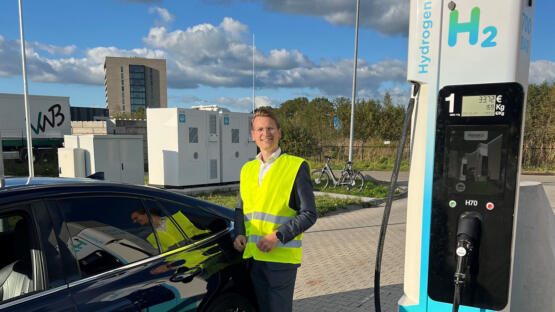
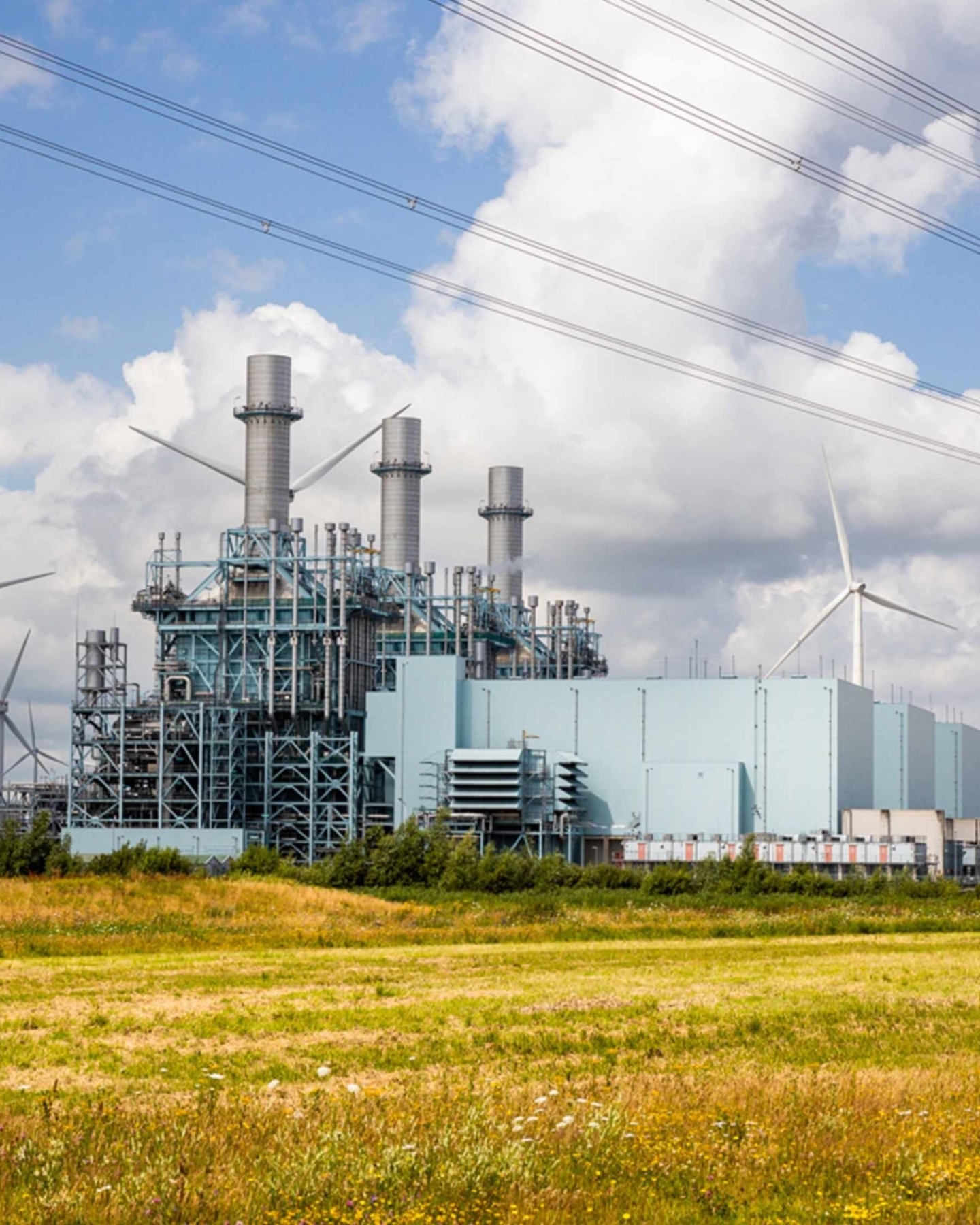
To that end, the consortium aims to develop a compact hydrogen value chain in the Port of Den Helder. Partners in Zephyros include New Energy Coalition, Port of Den Helder (PODH), Statkraft, TotalEnergies, H2 Marine Solutions, the Green Shipping Wadden Sea Program (FME), Inholland University of Applied Sciences, and TU Delft. Plans include an electrolyzer, transport and distribution system, a hydrogen refueling station, and a testbed for hydrogen-powered vessels. Inholland is responsible for developing hydrogen and maritime technology education.
Breaking the Chicken-and-Egg Cycle
Zephyros stands for “Zero Emission in the Port of Den Helder, by using Hydrogen for transport over Road and Sea.”
“By creating a complete chain — from production to delivery and use — we want to break the chicken-and-egg dilemma,” Deutekom explains. “Starting on a smaller scale helps, even though a 6-megawatt electrolyzer is quite substantial. We’ve seen the same evolution in the wind industry — we started with small turbines, learned valuable lessons, and scaled up. The same approach applies here.”
Deutekom knows the wind sector well. With a background in Commercial Economics and over ten years of experience as a wind energy project developer in the Netherlands and abroad, he now leads hydrogen program projects in North Holland North at NEC.
A Sustainable Port
Why was Den Helder chosen as the project location?
“The project supports the ambitions of the Kop van Noord-Holland region to make mobility by road and water more sustainable,” he explains. “The Port of Den Helder aims to become more sustainable in order to meet national and European climate goals. They’re looking for clean alternative fuels, not only for maritime use but also to make the port’s own operations more sustainable.
Den Helder already has extensive gas infrastructure — around 90% of the Netherlands’ North Sea gas comes ashore here. That makes it a very strategic location.”
Grid Congestion and Emissions
“Den Helder is located at the end of the electricity grid and faces significant grid congestion,” Deutekom continues. “Green hydrogen can play an important role in this context — although producing it through electrolysis also requires electricity.
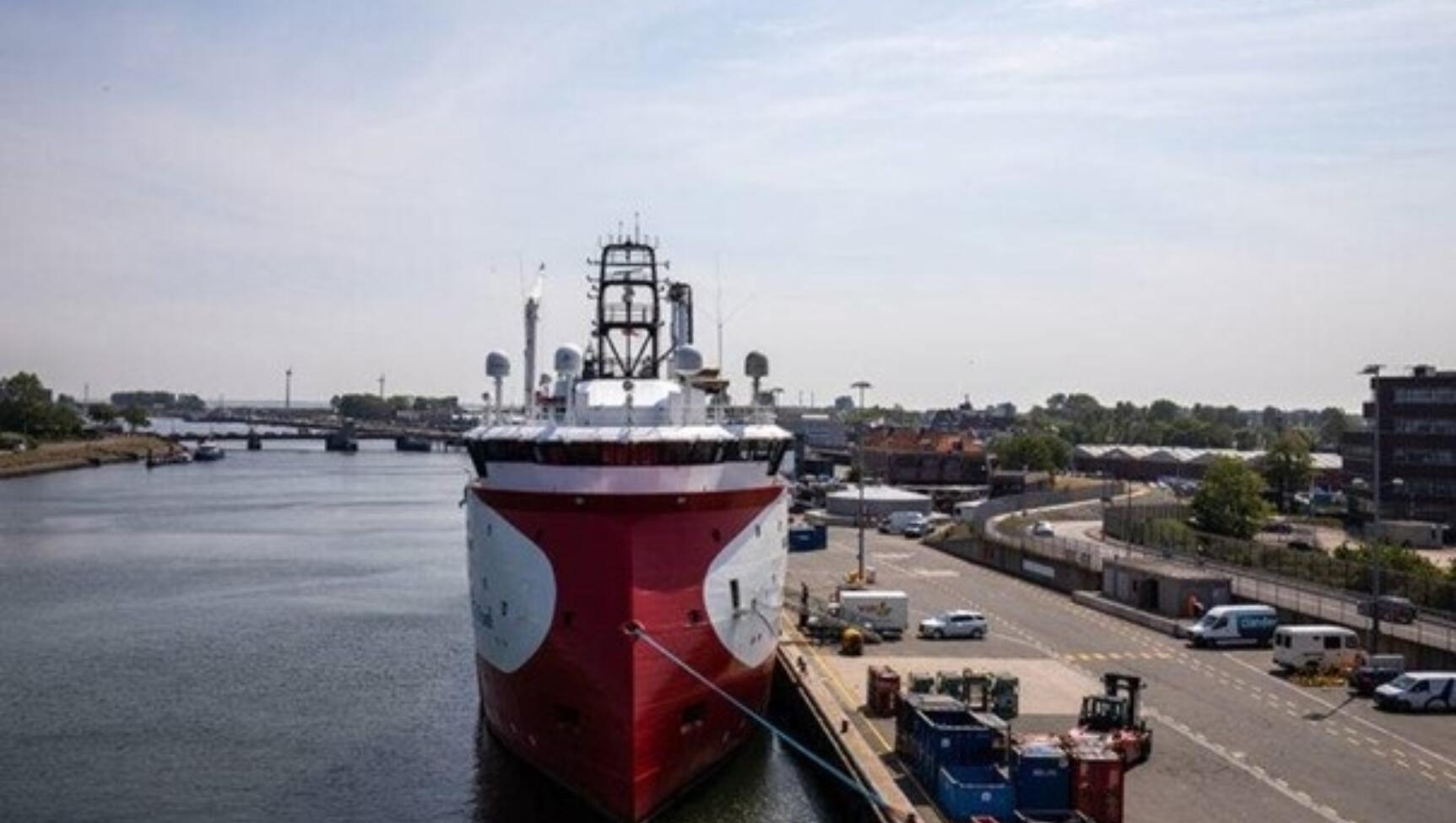
The Wadden Sea is a Natura 2000 area, which adds another dimension. The idea is that, in the future, offshore wind farm maintenance vessels will operate on renewable electricity or green hydrogen. Two vessels will already do so during the demonstration phase. Normally, these vessels run on diesel, so this represents a major CO₂ reduction. That will become even more crucial as new regulations limiting CO₂ emissions take effect.
For now, the main question remains: who will purchase how much hydrogen once it becomes available?”
Financing
Zephyros is funded through the Green Shipping Wadden Sea programs coordinated by FME, DKTI, and the Regional Deal Kop van Noord-Holland.
The Waddenfonds expects that the research results will contribute to the scalability of hydrogen as a maritime fuel, aligning well with the ambitions of the Wadden Area Investment Framework.
Recently, green energy giant Statkraft received additional funding through the OWE scheme for the realization of the electrolyzer, which forms part of the project.
“Originally, the project was scheduled from January 1, 2020, to December 31, 2024,” says Deutekom, “but work is still ongoing to complete it. We’re in extra time now.”
Determined to Deliver
That the electrolyzer and hydrogen refueling station will ultimately be built is beyond doubt, according to Deutekom.
“We’re going to make this happen — despite the delays and obstacles along the way. Obtaining permits, for example, takes a lot of time. Fortunately, the municipality of Den Helder is already a key partner of NEC, so cooperation runs smoothly.
The TotalEnergies refueling station has been approved by the municipality of Hollands Kroon, and the permit application for Statkraft’s electrolyzer is in progress.
Achieving realization is also a requirement for receiving the OWE subsidy — so there’s no backing out.
And it’s in my commercial nature to see this through. I see that same determination in our project partners — especially TotalEnergies and Statkraft, both highly experienced players. They know exactly what’s needed for permitting, and they are fully committed. Nothing is left to chance; everything is meticulously arranged. Research and studies are important, but in the end, you just have to do it.”
Challenges and Transport
Statkraft’s goal is to produce 150 to 200 tons of green hydrogen per year by 2027, equivalent to the annual consumption of four to six inland vessels. Ultimately, the company aims for a capacity of 150 megawatts. That will take patience, since TenneT’s grid expansion is only scheduled for 2031–2034.
“In the beginning, hydrogen will be transported by road,” says Deutekom. “In the longer term, we’ll explore the possibility of a pipeline connection. Because we’re working from a local, closed-chain approach, long-distance transport isn’t necessary — which saves both emissions and costs.”
Water
In addition to existing challenges — such as finding enough customers and connecting to the grid — water availability is another factor to consider, as it’s a crucial feedstock for hydrogen production.
“In principle, North Holland has sufficient freshwater resources from the IJsselmeer and Markermeer,” Deutekom explains. “So I don’t expect problems. Still, given the growing issue of drought, it’s interesting to investigate whether seawater could eventually be used for hydrogen production.
To ensure long-term availability of clean water, the construction of a water purification facility is included in the final plans.
But first things first — the refueling station and the electrolyzer.”