
'Rotterdam Port is an International Player in the Hydrogen Economy'
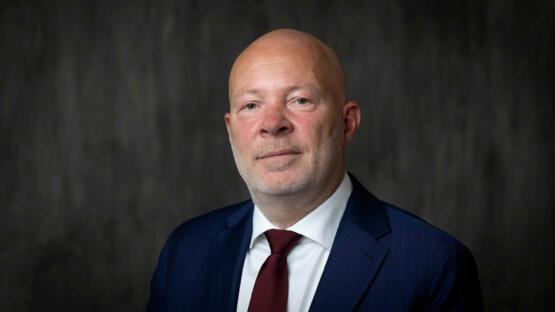
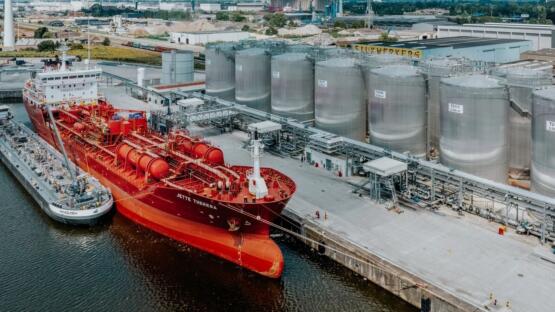
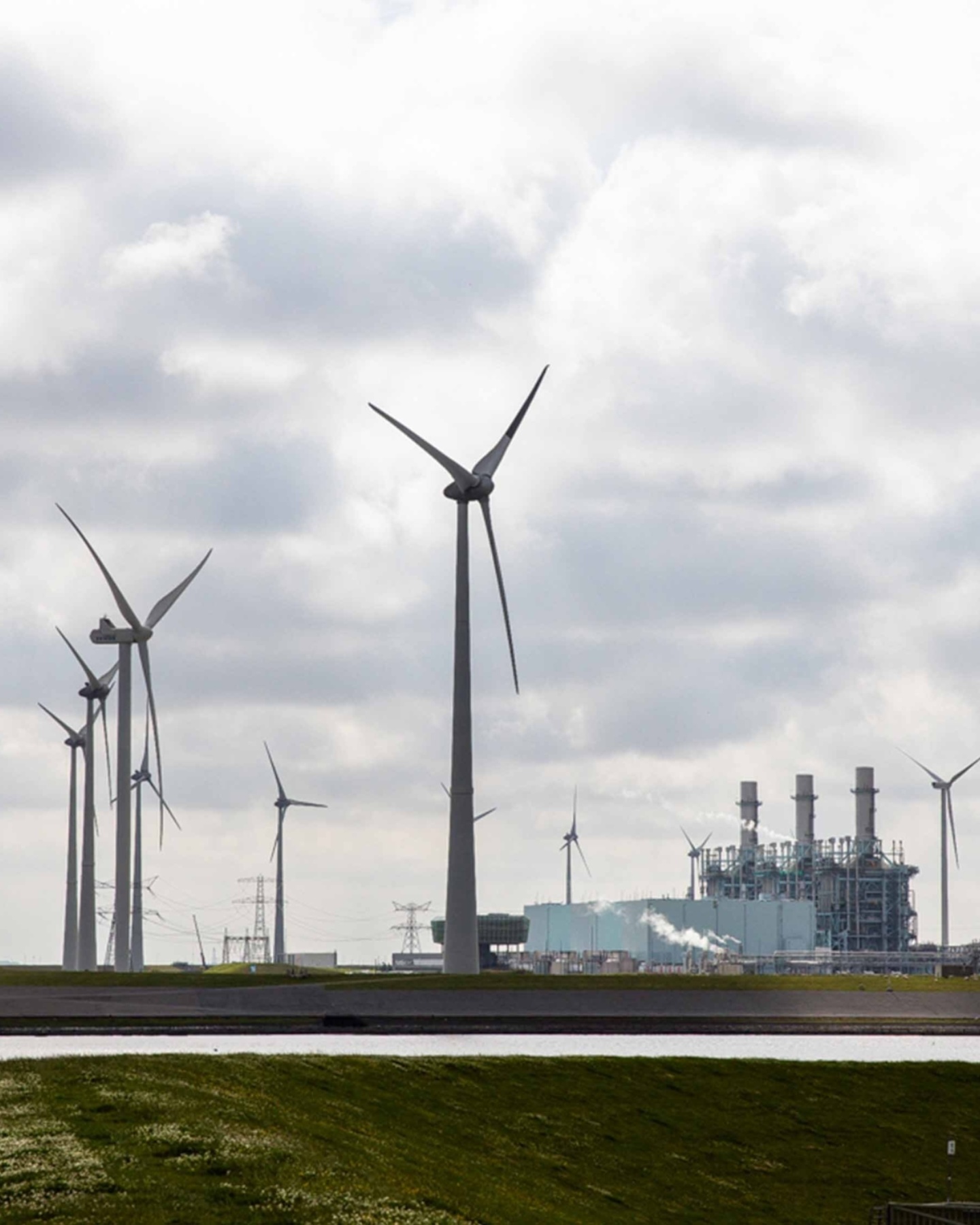
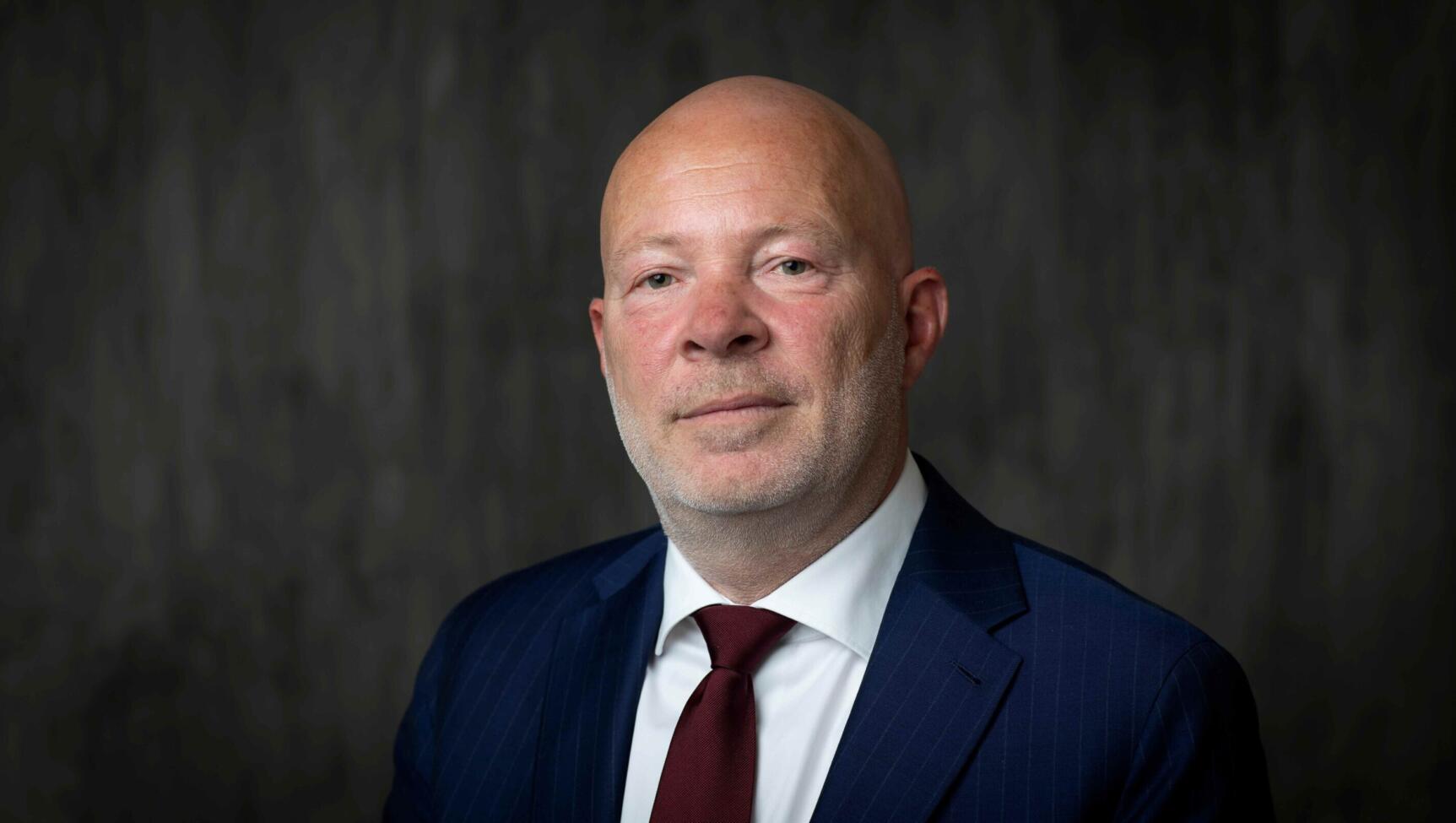
The Port of Rotterdam is Europe's largest port, a maritime hub, and a crucial transit point for various raw materials and products. "It is one of the most important economic engines of the Netherlands. What happens here directly affects jobs, investments, and our country's earning capacity." This is precisely why Rotterdam alderman Robert Simons is working on developing the port as a hydrogen hub.
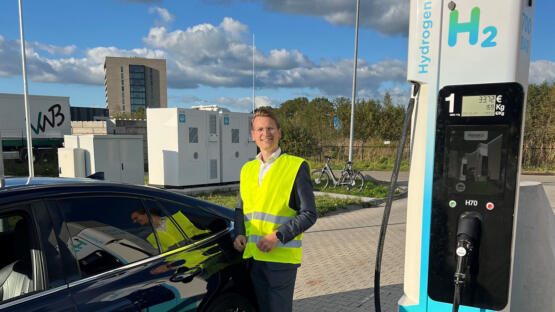
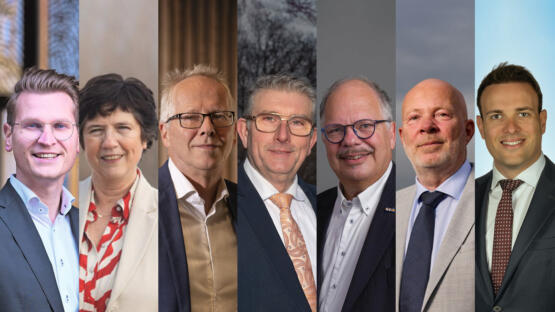
Simons is one of the seven nominees for Hydrogen Alderman of the Year. What makes him so driven on this topic? "If we want to make industry more sustainable and keep it competitive, hydrogen plays a key role. Currently, the Port of Rotterdam is still a fossil fuel hub. With the energy transition in mind and the desire to maintain the port's economic strength, we must take steps toward sustainability. Hydrogen is the fuel of the future."
Together with Deltalinqs, the province of South Holland, and the Port of Rotterdam Authority, the municipality is working to stimulate and facilitate this development. "We want to help companies actually make this transition."
Delta Rhine Corridor
"This is challenging material," says the alderman. "We are already working on laying the hydrogen backbone in the port, but without good connections toward Germany, the infrastructure remains incomplete." The further development of the Delta Rhine Corridor has been delayed, while he believes it is crucial for transporting hydrogen to the Ruhr area. According to Simons, this connection with the German industrial heartland is essential for Rotterdam's success as a hydrogen hub. Therefore, Germany's largest inland port, Duisport, and the Port of Rotterdam are jointly conducting a feasibility study on the development of European hydrogen supply chains.
International Scale
The alderman is also working explicitly on an international scale. For several years, Rotterdam has been bringing together investors, companies, and governments from around the world as the host city of the World Hydrogen Summit. Simons: "The event has grown into one of the most important international meeting places for the hydrogen sector, where new collaborations are formed and investment decisions are prepared. This means Rotterdam not only functions as a logistical hub but increasingly as a place where the European hydrogen economy takes shape. This is precisely where you see how international this market is. Companies and governments come together to build supply chains that cross national borders. For Rotterdam, it is important to be at the intersection of these developments."
Strengthening Relationships
"In my role as Alderman for Port & Economy, I also support companies during international trade visits; my presence helps them open doors and create new trade opportunities." Approximately eighty percent of the companies in the Port of Rotterdam operate internationally and have headquarters abroad. "That is precisely why I regularly visit to maintain and further strengthen relationships."
Hydrogen Import
"High electricity costs, grid congestion, and complex regulations are making it increasingly difficult for companies to invest here profitably and sustainably," explains Simons. "Companies are looking ahead and building business cases in which hydrogen plays an important role." Moreover, he expects Europe will need more hydrogen than it can produce itself. "A huge amount of hydrogen is needed to reduce the emissions of European industry. We simply cannot produce that much in the Netherlands. Countries with abundant sustainable energy from wind and solar have an advantage in this regard."
He points, among others, to Brazil, where about 94 percent of electricity is now green, and to the U.S. state of Texas, where the share of wind and solar energy has grown strongly in recent years. "This makes these regions interesting for importing hydrogen to Europe, and Rotterdam can play a central role in that."
A Big Puzzle
What role does the municipality play in all of this? "As a municipality, we support innovative projects with targeted subsidies to accelerate realization, we organize trade missions to develop international supply chains and attract investments, and we actively lobby The Hague." According to Simons, the energy transition is a complex operation. "It's a big puzzle made up of many pieces. As an alderman, I'm playing chess on multiple boards simultaneously: regulations, financing, networks, knowledge sharing, and collaboration."
Blue Hydrogen
"We must sail close to the wind," emphasizes the alderman. "It's time to take steps and not just keep talking." According to him, this also means being realistic about the route to a fully green hydrogen economy. "In my view, we must first take the intermediate step from fossil fuels to blue hydrogen before we can fully transition to green hydrogen." With blue hydrogen, hydrogen is produced from fossil raw materials, while the released CO₂ is stored, for example, in empty gas fields. "It is a necessary intermediate phase to kick-start the hydrogen economy and work at scale."
According to Simons, the development is currently still too slow. "Some people see blue hydrogen as subpar, but we need it to pick up the pace. Otherwise, the hydrogen economy will remain something that mainly exists in our heads."