
North Sea Port sets course for emission-free shipping
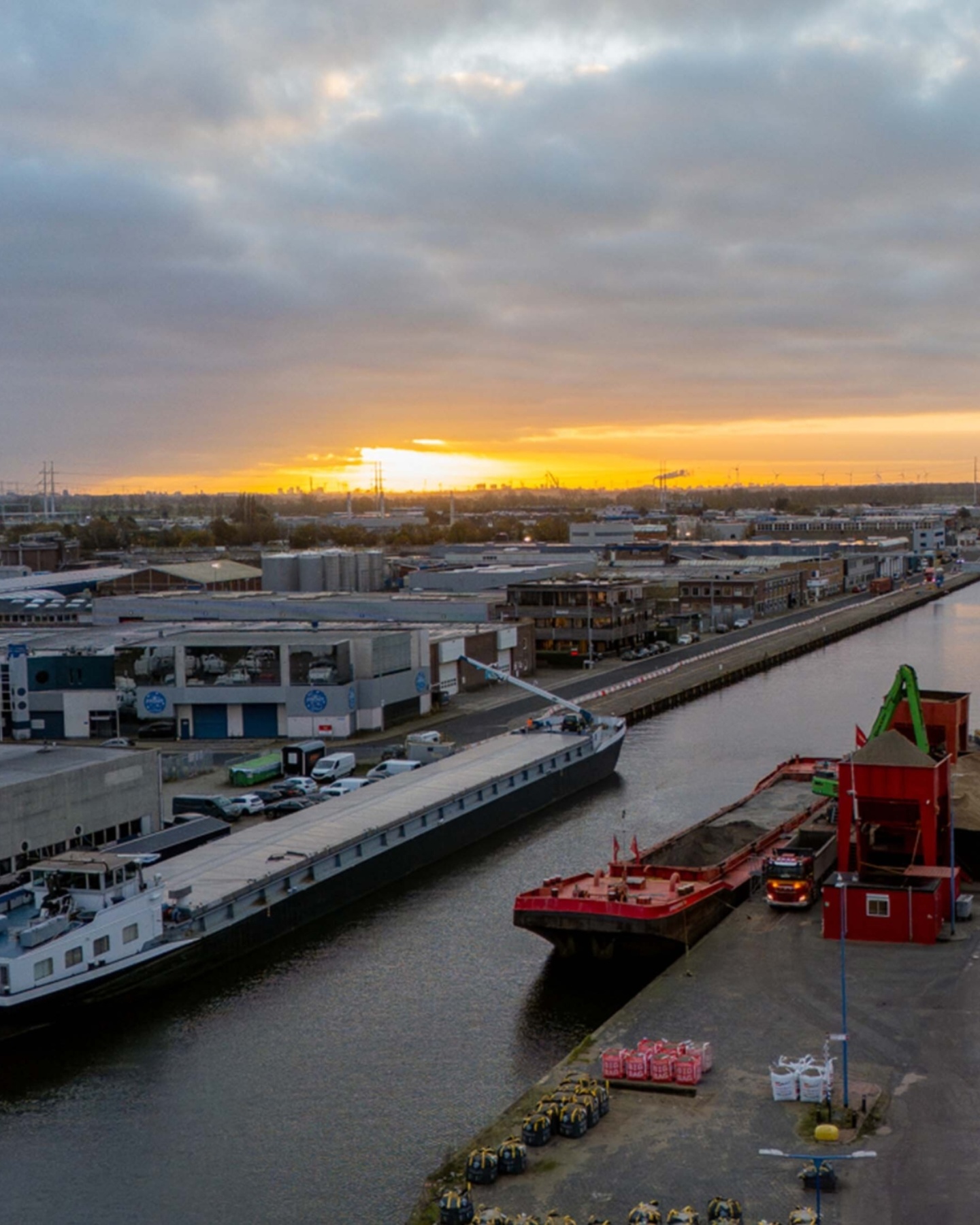
North Sea Port (the port area of Vlissingen, Terneuzen, and Ghent) is taking a major step in the energy transition. A recent independent risk analysis shows that the port fully meets the conditions for safely and efficiently bunkering alternative fuels such as hydrogen and ammonia. This positions the port as one of Europe's key hubs for sustainable shipping.
Hydrogen and ammonia: The new standard
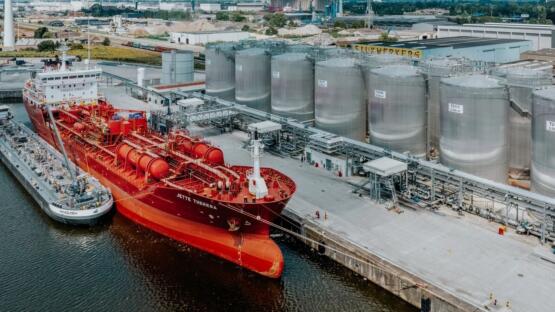
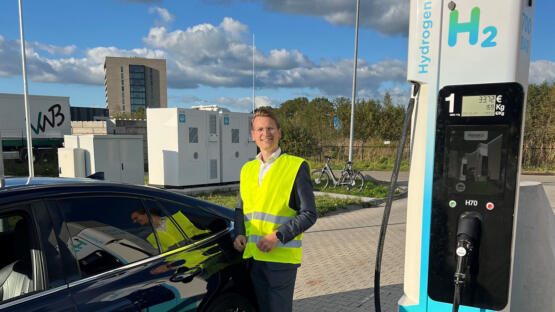
In the quest for emission-free shipping, hydrogen and ammonia play a leading role. Hydrogen is ideal for shorter distances and inland shipping, while ammonia, due to its higher energy density and easier storage, is seen as the fuel for large-scale maritime transport. North Sea Port is now preparing for both. The study shows that both "ship-to-ship" and "truck-to-ship" bunkering can take place safely at the 360 analyzed berths in the port.
Focus on safety and infrastructure
Because fuels like ammonia are toxic and flammable, safety requirements are extremely strict. The port has therefore not only examined nautical risks but also the surrounding infrastructure, such as high-voltage lines, wind turbines, and nearby chemical plants (Seveso sites). Soon, the first controlled test runs will be carried out in close cooperation with emergency services to refine the procedures in practice.
Regional connection and bunker map
To provide clarity to the market, North Sea Port is developing a special "bunker map." On this map, shipping companies and transport operators can see exactly where which fuel can be safely bunkered. Additionally, efforts are underway to improve connections with the hinterland. Previous research has already shown that transporting ammonia via pipelines from the Zeeland part of the port is technically and economically feasible. This is essential for the import of green hydrogen, where ammonia serves as a carrier.
Ahead of the curve
With this decision, North Sea Port is taking a lead over many other European ports. By already establishing clear safety frameworks and locations, the notorious "chicken-and-egg" situation is being broken: shipping companies are only willing to invest in hydrogen or ammonia ships if they know where they can bunker. The focus on ammonia as both a fuel and a hydrogen carrier underscores the port's strategic value as a gateway for sustainable energy to the Netherlands, Belgium, and Germany.